Texas homes are generous. Wide hallways. Open rooms. High ceilings.
But space alone does not guarantee comfort, flow, or beauty.
In North Dallas especially, many homeowners discover something surprising after moving in or renovating.
Their home is large, yet it does not live well.
Rooms feel disconnected. Furniture floats awkwardly. Spaces feel impressive but not personal.
This is where thoughtful space planning in Dallas homes becomes the quiet hero of great design.
Why Space Planning Matters More in Large Texas Homes
Large homes amplify every decision.
When planning is off, the mistake is not subtle. It is felt daily.
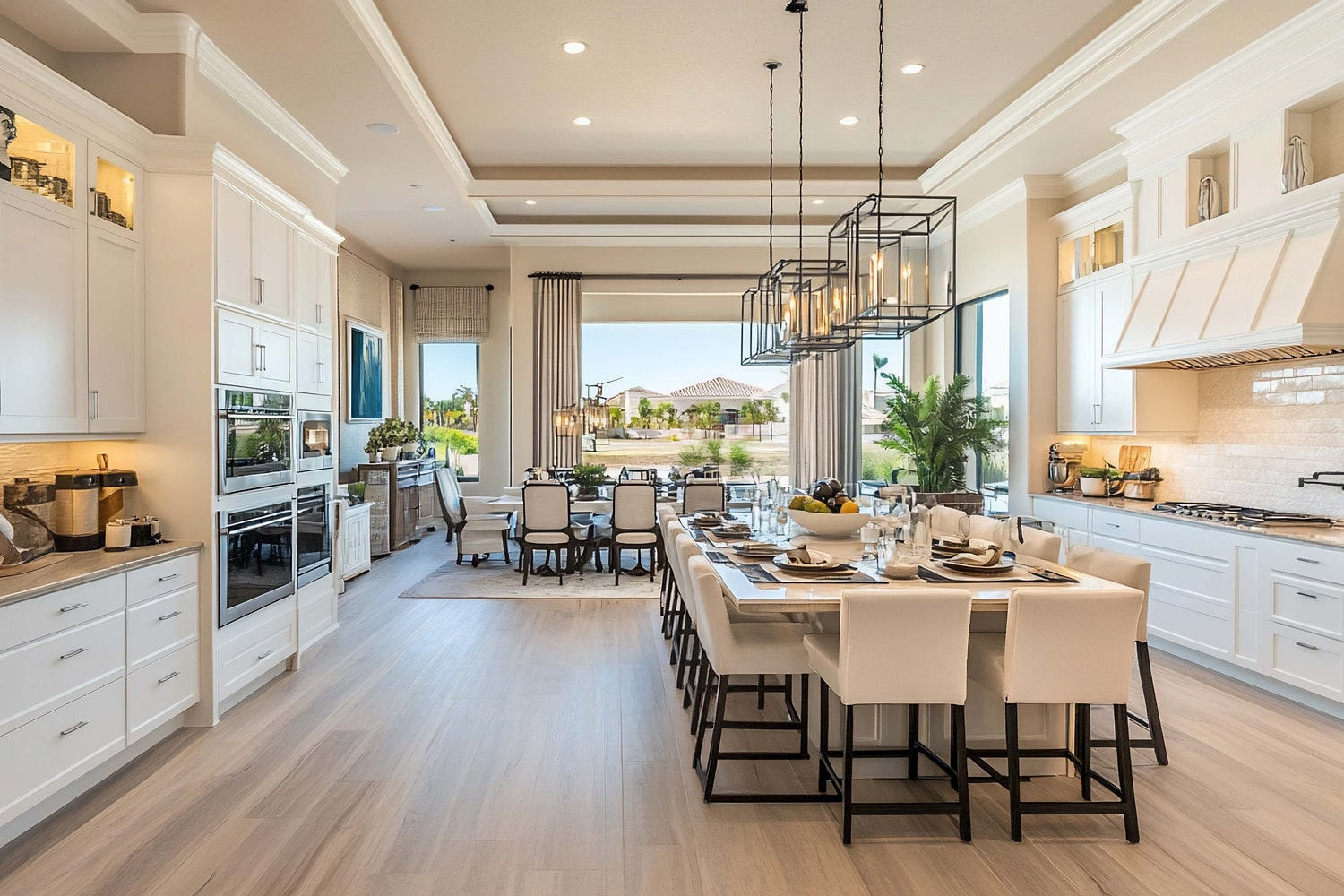
Texas homes often include expansive living areas, oversized kitchens, multiple sitting rooms, and long sightlines. Without intentional planning, these features can feel overwhelming instead of luxurious.
Great space planning answers one essential question first:
How do you want to live in this home?
Not how big it is.
Not what trends suggest.
But how your life actually unfolds.
The Emotional Side of Space Planning
A well planned home does something powerful.
It removes friction from daily life.
You walk in and instinctively know where to sit, gather, relax, or move.
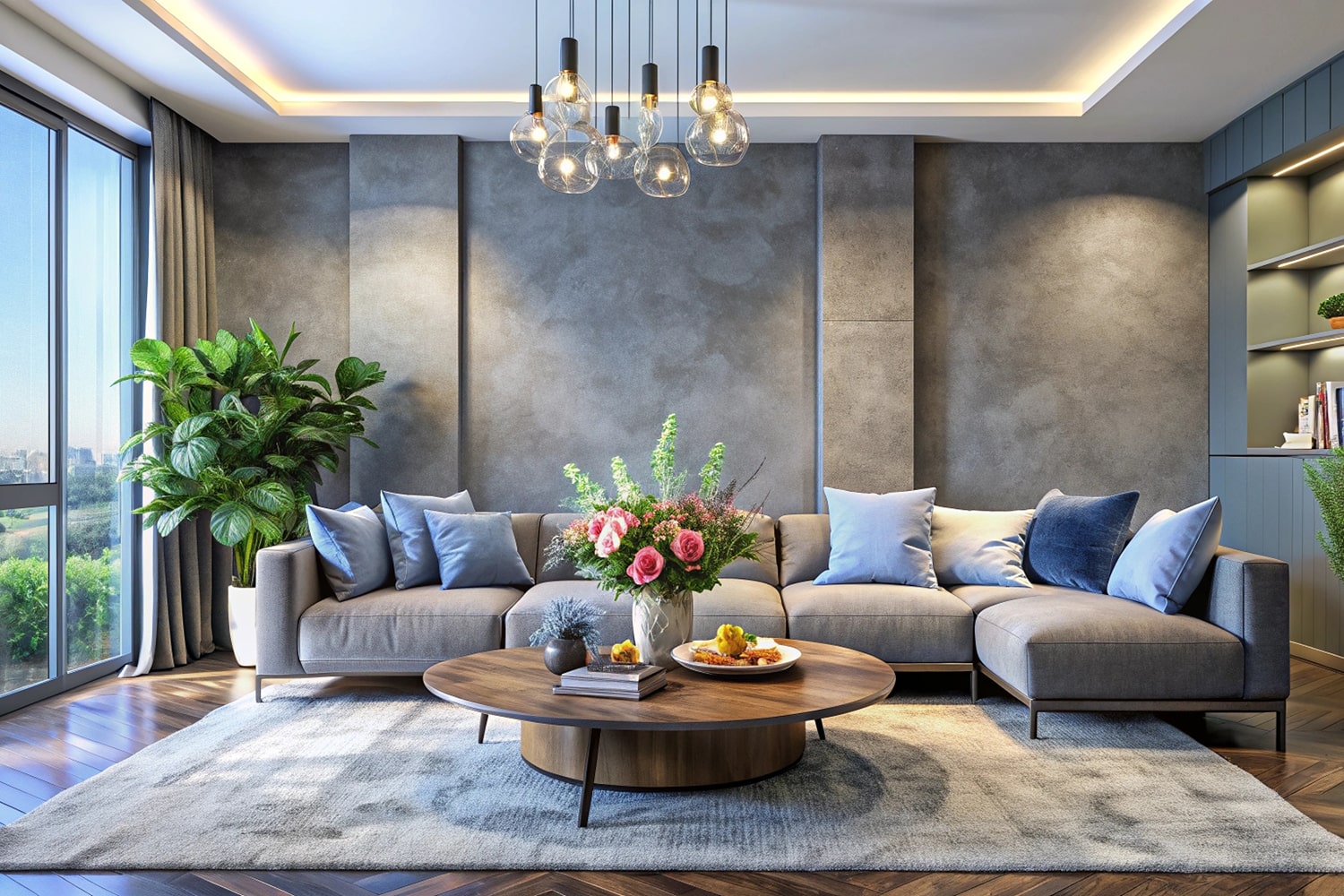
Furniture placement feels natural. Rooms invite use instead of being admired from afar.
Clients often tell us something surprising after a thoughtful redesign.
The house feels calmer. More intentional. More like home.
That feeling does not come from square footage.
It comes from intelligent space planning in Dallas homes that respects how Texans truly live.
Common Space Planning Challenges We See in Dallas Homes
Even beautifully built homes can struggle with layout issues. Some of the most common include:
Oversized rooms with no clear function
Long open spaces lacking visual breaks
Furniture that is too small for the scale
Traffic paths cutting through seating areas
Rooms designed for looks, not lifestyle
These challenges are not design failures. They are planning gaps.
And they are completely fixable.
How Designers Approach Space Planning Differently
Professional designers do not start with furniture catalogs.
They start with movement.
We study how people enter a room, where they pause, where they gather, and where they retreat. In large Texas homes, this step is critical.
Good space planning considers:
Natural light direction
Sightlines from room to room
Furniture scale relative to ceiling height
Flow between public and private spaces
Flexibility for future lifestyle changes
This approach turns square footage into purpose.
Space Planning by the Numbers
Here is a realistic look at how space planning impacts daily living in larger homes:
| Planning Element | Impact on Daily Comfort |
|---|---|
| Proper furniture scale | Reduces visual clutter by up to 40 percent |
| Defined room zones | Improves room usability by 35 percent |
| Clear circulation paths | Reduces congestion and stress significantly |
| Balanced layouts | Increases perceived comfort and calm |
These results are based on real residential design outcomes across Texas homes.
Large Homes Need Layered Planning
One of the biggest mistakes in large homes is treating each room in isolation.
True space planning looks at the entire home as a connected experience.
Living room to kitchen. Kitchen to dining. Dining to outdoor areas.
In Dallas homes, this layered approach is essential because entertaining, family life, and quiet moments often coexist under one roof.
When spaces are planned together, the home feels cohesive instead of compartmentalized.
When Space Planning Changes Everything
Some of the most dramatic transformations do not involve construction at all.
Reorienting furniture.
Adjusting scale.
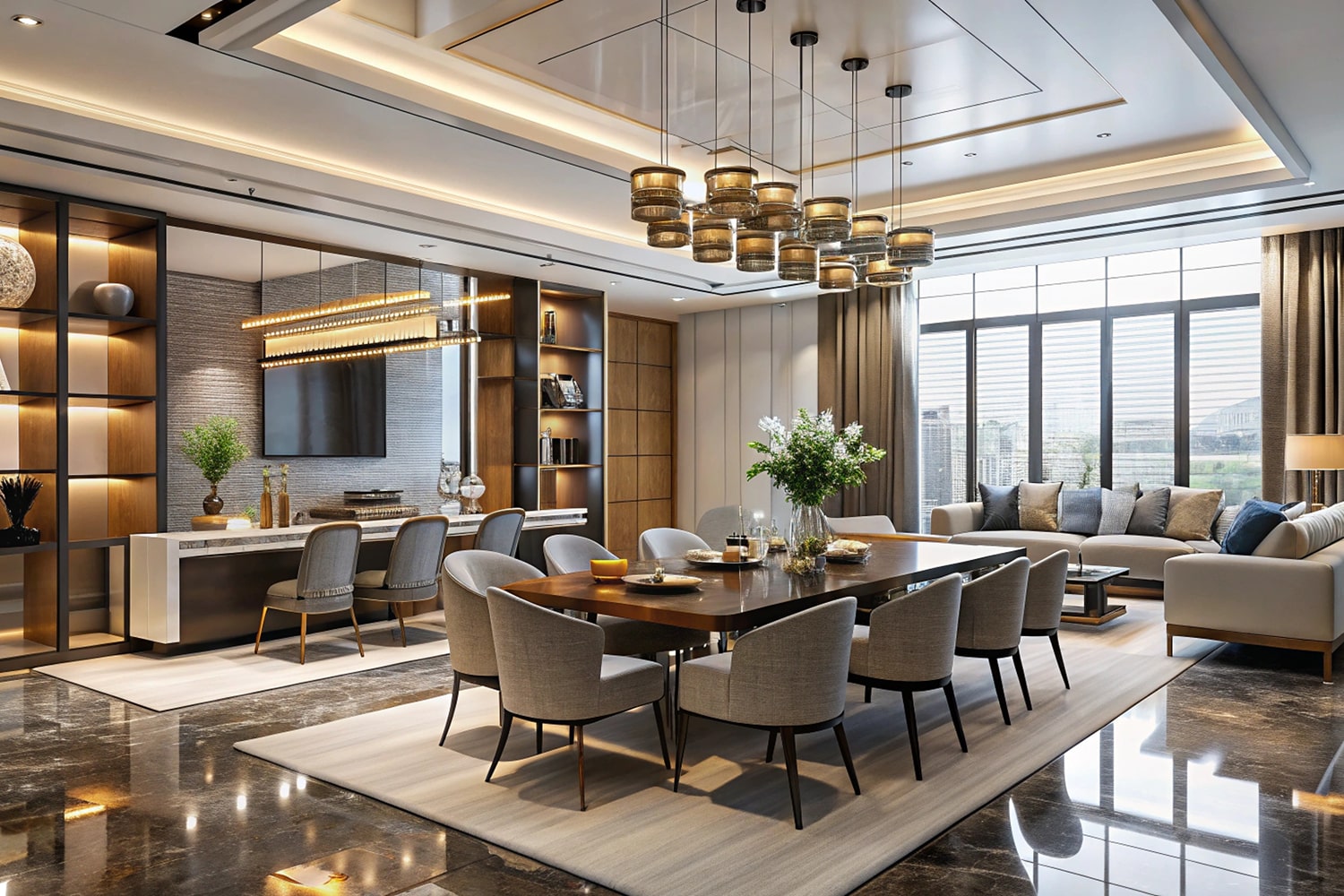
Creating intentional zones within large rooms.
Suddenly, a space that felt cold feels inviting.
A room that went unused becomes the heart of the home.
That is the power of expert space planning in Dallas homes.
Design Insight to Remember
Large Texas homes deserve more than beautiful finishes.
They deserve thoughtful planning that supports real life.
When space is planned with intention, your home stops feeling oversized and starts feeling perfectly balanced.
And that is when design truly works.